


Publishing a Journal Article (2026 Guide)
March 25, 2026
How to Write and Publish a Research Paper: Step-by-Step UK Guide (2026)
April 2, 2026
Updated: March 2026 · UK Academic Publishing Guide · Reviewed by UK Academic Editor
Publishing a research paper without a university affiliation can feel confusing and overwhelming. Many UK students and independent researchers have excellent studies, but struggle to turn their work into a journal-ready article. The process often seems unclear, competitive, and sometimes discouraging.
One key reason is that academic publishing has stricter expectations than dissertation writing. While dissertations demonstrate understanding, journals expect concise arguments, clear contributions to knowledge, and strict adherence to editorial and formatting standards. Even strong research can be rejected if it doesn’t meet these professional criteria.
This guide explains how to publish a research paper without affiliation in the UK, covering journal selection, manuscript preparation, peer review, and common reasons papers are rejected. It is designed for Master’s, PhD students, and independent researchers seeking a clear, practical path to publication.
By the end of this guide, you will understand the process and discover practical strategies to increase your chances of acceptance in academic journals, even without formal university backing.


Explore This Page
- What Does It Mean to Publish a Research Paper Without Affiliation?
- Is It Possible to Publish Without Affiliation?
- Step-by-Step Process to Publish Independently
- Recommended Journals for Independent Authors
- Common Challenges and How to Overcome Them
- Costs and Submission Fees
- Tips for Increasing Acceptance Chances
What Does It Mean to Publish a Research Paper Without Affiliation?
Publishing a research paper without a university affiliation means turning your study into a journal-ready article that meets the academic, editorial, and ethical standards of recognised journals. It is not simply shortening a dissertation or posting research online. A publishable paper must present a focused argument, demonstrate a clear contribution to knowledge, and follow the target journal’s formatting and submission requirements.
For many UK students and independent researchers, the biggest surprise is that publication is a separate process from completing a dissertation. While dissertations are written to show learning and critical understanding, journal articles are written for editors, peer reviewers, and readers in a specific academic field. This affects length, tone, structure, evidence selection, and originality expectations.
In practical terms, publishing independently requires careful decisions: identifying whether your research is strong enough, choosing the most publishable section, selecting the right journal, and reshaping the manuscript to fit that outlet. Often, the most publishable part of a dissertation is a focused section with a sharper argument. Students can also review our dissertation examples to see how research develops into clear academic writing.
It’s important to understand that publication does not guarantee immediate acceptance. Many papers undergo revisions, editorial screening, and peer review before a decision is made. Rejections are common, and resubmission is part of the process. The goal is a realistic, well-positioned paper that matches the journal’s aims and communicates clearly to its audience.
Key point: Publishing a research paper without affiliation is about presenting the right part of your research in the right format, for the right journal, with a clear academic contribution.
Is It Possible to Publish Without Affiliation?
Yes — it is possible to publish a research paper without a university affiliation in the UK, but it comes with some challenges. Many journals welcome independent researchers as long as the paper demonstrates **rigorous methodology, originality, and relevance**. Your credibility can be strengthened by including an **ORCID iD**, professional email, or mentioning research experience instead of formal affiliation.
Some UK journals, particularly **open-access and online journals**, are more flexible for independent authors. It’s essential to carefully review each journal’s **submission guidelines** and ensure your manuscript meets their formatting, ethical, and referencing standards. High-quality research and clear presentation matter more than institutional backing.
Independent authors often face higher scrutiny during **peer review**, but this can be mitigated by demonstrating **well-researched arguments, proper citations, and originality**. Collaborating with experienced co-authors or mentors can also improve acceptance chances, but it is not strictly necessary.
For practical guidance, you can review our UK journal publishing guide, which explains step-by-step how students and independent researchers can navigate submissions successfully.
Key point: Publishing without affiliation is entirely possible in the UK if your research is original, well-structured, and follows journal guidelines. Institutional affiliation is helpful but not mandatory.
Step-by-Step Process to Publish Independently
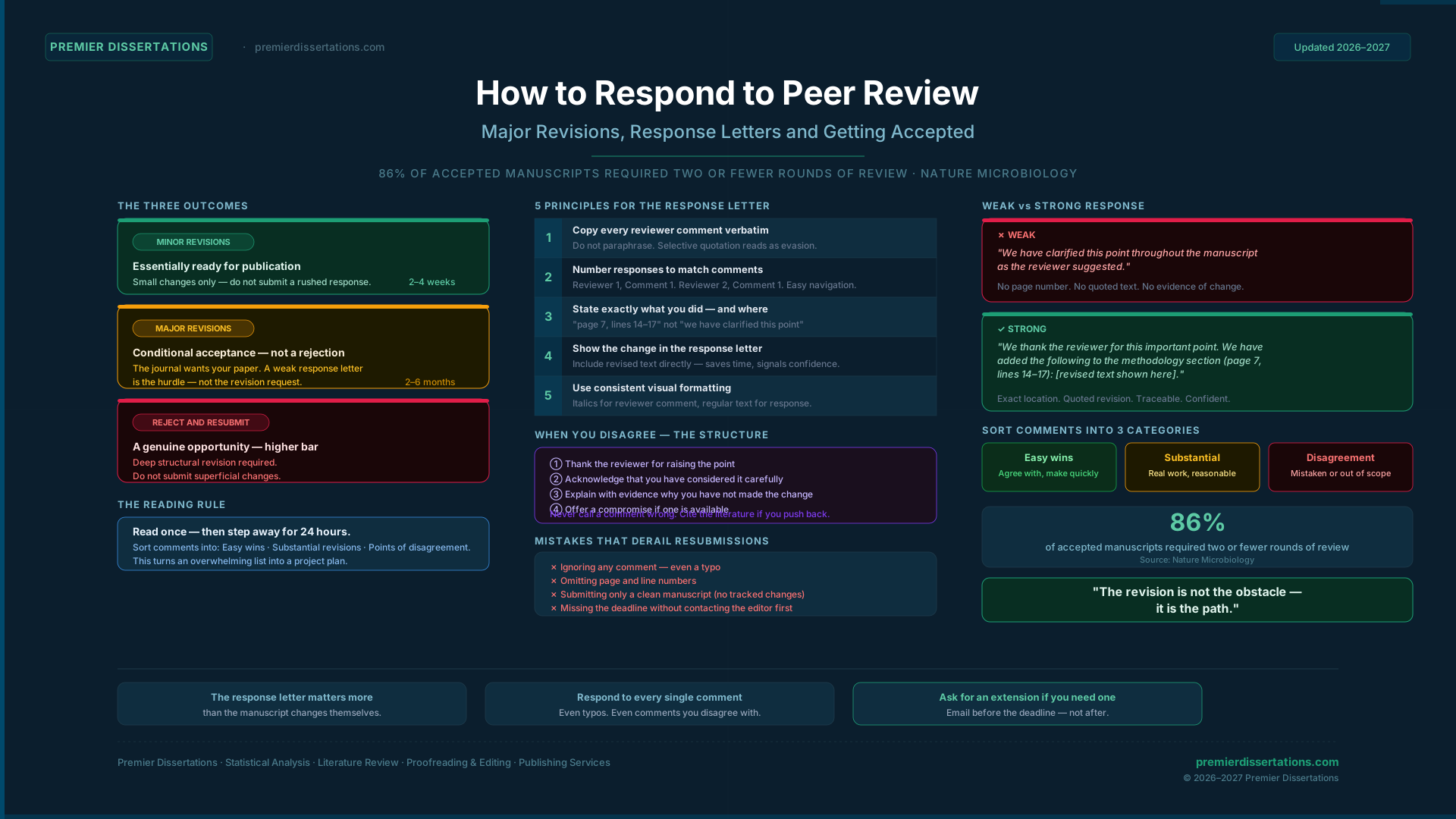
Publishing a research paper without institutional affiliation is entirely possible in the UK if you follow a structured approach. Here’s a step-by-step guide for independent authors and students:
- Identify Your Most Publishable Work: Focus on a specific chapter, section, or study from your research that has a clear argument and contribution to knowledge.
- Choose the Right Journal: Select journals that accept submissions from independent authors. Consider open-access, specialist, or professional association journals.
- Prepare Your Manuscript: Align your paper with the journal’s formatting, word count, referencing style, and ethical guidelines. Ensure clarity, originality, and well-structured arguments.
- Obtain an ORCID iD: Registering for an ORCID provides a professional researcher identifier that boosts credibility for unaffiliated authors.
- Peer Review Preparation: Before submission, seek feedback from mentors, colleagues, or online academic communities to strengthen your paper and catch errors.
- Submit and Track: Submit your manuscript according to the journal’s guidelines, and monitor communications from editors and reviewers carefully.
- Revise if Needed: Address reviewer comments thoroughly. Revisions are a normal part of publication and often improve your paper’s quality.
- Final Acceptance: Once approved, ensure all proofs, author agreements, and formatting requirements are completed for publication.
Following these steps carefully increases the likelihood of acceptance, even without a university affiliation. Consistency, clarity, and a strong academic contribution are more important than institutional backing.
Key point: Independent publication is achievable if you systematically select your strongest research, follow journal requirements, and actively refine your manuscript before submission.



Recommended Journals for Independent Authors
For students and independent researchers aiming to publish without affiliation in the UK, selecting the right journal is essential. Here are the most suitable options:
- Open Access Journals: UK and international open-access journals are ideal for independent authors. They offer wide visibility, peer review, and faster publication times.
- Specialist Journals: Journals focused on specific subjects (e.g., healthcare, business, social sciences) value research quality over institutional affiliation.
- Professional Association Journals: Some UK professional bodies accept unaffiliated authors, providing credibility and a strong platform for research dissemination.
- Preprint Servers: Platforms like arXiv or bioRxiv allow authors to share early-stage research publicly and attract attention from journals for later submission.
Key point: Choose journals that align with your research topic and target audience. Quality and clarity matter more than institutional affiliation.
Common Challenges and How to Overcome Them
Independent researchers often face unique challenges when publishing without affiliation. Being aware of these issues helps you prepare and respond effectively.
- Lack of Institutional Credibility: Use an ORCID iD, professional email, or prior research experience to boost credibility.
- Peer Review Scrutiny: Seek early feedback from mentors, colleagues, or academic communities to improve manuscript quality.
- Journal Selection Confusion: Focus on journals that accept independent authors and match your research scope.
- Limited Networking: Engage in online academic forums, webinars, and professional associations to connect with editors or reviewers.
Tip: Preparation and networking can offset challenges caused by lack of formal affiliation. Anticipate common issues and address them proactively.
Costs and Submission Fees
Publishing a research paper without affiliation may involve costs. Understanding these fees upfront helps independent authors plan effectively:
- Article Processing Charges (APCs): Many open-access journals charge fees for publication. Costs vary from £100 to over £2,000 depending on the journal.
- Optional Editing Services: Some journals offer language editing or formatting services for an extra fee. These are optional but can improve acceptance chances.
- Membership or Association Fees: Submitting through professional bodies may require membership, which can provide discounted publication fees.
Pro Tip: Compare journals for cost and benefits. Sometimes paying a reasonable fee to a credible journal is more worthwhile than targeting a free but less respected outlet.
Tips for Increasing Acceptance Chances
To maximise your chances of getting published independently in the UK, focus on the following strategies:
- Follow Journal Guidelines Strictly: Pay attention to formatting, referencing style, word count, and ethical requirements.
- Focus on Quality Research: Ensure originality, clear methodology, and well-supported conclusions.
- Seek Feedback Before Submission: Share drafts with mentors, colleagues, or academic communities for constructive critique.
- Highlight Your Contribution: Emphasise how your paper adds value to the field, even without institutional affiliation.
- Consider Co-Authors or Mentors: Collaborating can strengthen credibility and improve the paper’s chance of acceptance, though it’s optional.
Key point: Acceptance is achievable if you combine careful journal selection, rigorous research, manuscript refinement, and adherence to submission standards.
Frequently Asked Questions (FAQs)
Get 3+ Free Dissertation Topics within 24 hours.