

The Rise of Netflix
September 8, 2022
How to Cite Sources to Avoid Plagiarism
September 9, 2022
Last updated: July 24, 2025
Introduction
Plagiarism checkers are powerful tools that scan your text for copied material by comparing it against vast collections of online content, academic journals, and student documents. Understanding how these systems operate helps you use them more effectively and avoid false positives or missed matches.
Text Chunking & Preprocessing
When you submit a document, the software divides it into smaller segments—words, phrases, or sentences. It removes irrelevant characters and normalises text (for spelling, case, punctuation) to ensure effective comparisons.
Database Comparison
These checkers compare your document to an extensive database, which may include:
- Web pages and published content
- Academic journals and conference papers
- Previously submitted student theses and essays
- Proprietary datasets (varies by tool provider)
This broad comparison ensures any copied or closely paraphrased content is effectively identified.


Matching Algorithms
Plagiarism checkers use advanced techniques to identify duplicated or closely paraphrased content:
- Exact match detection – flags identical phrases or sentences
- Fuzzy matching – catches slightly altered wording or structure
- Semantic similarity – detects meaning-level paraphrasing
- Citation-aware detection – ignores correctly cited content
These combined methods enhance the tool’s accuracy in finding all potential plagiarism.
AI & Machine Learning Enhancements
Advanced plagiarism checkers now use artificial intelligence to improve accuracy and reduce false alarms:
- Identify AI-generated text, including content from tools like ChatGPT
- Differentiate between commonly used phrases and actual plagiarism
- Adjust detection thresholds dynamically using machine learning models
To explore how our tool detects AI-generated content, visit our ChatGPT Detection Tool .
Report Generation
Once the scan is complete, the tool provides a detailed report that includes:
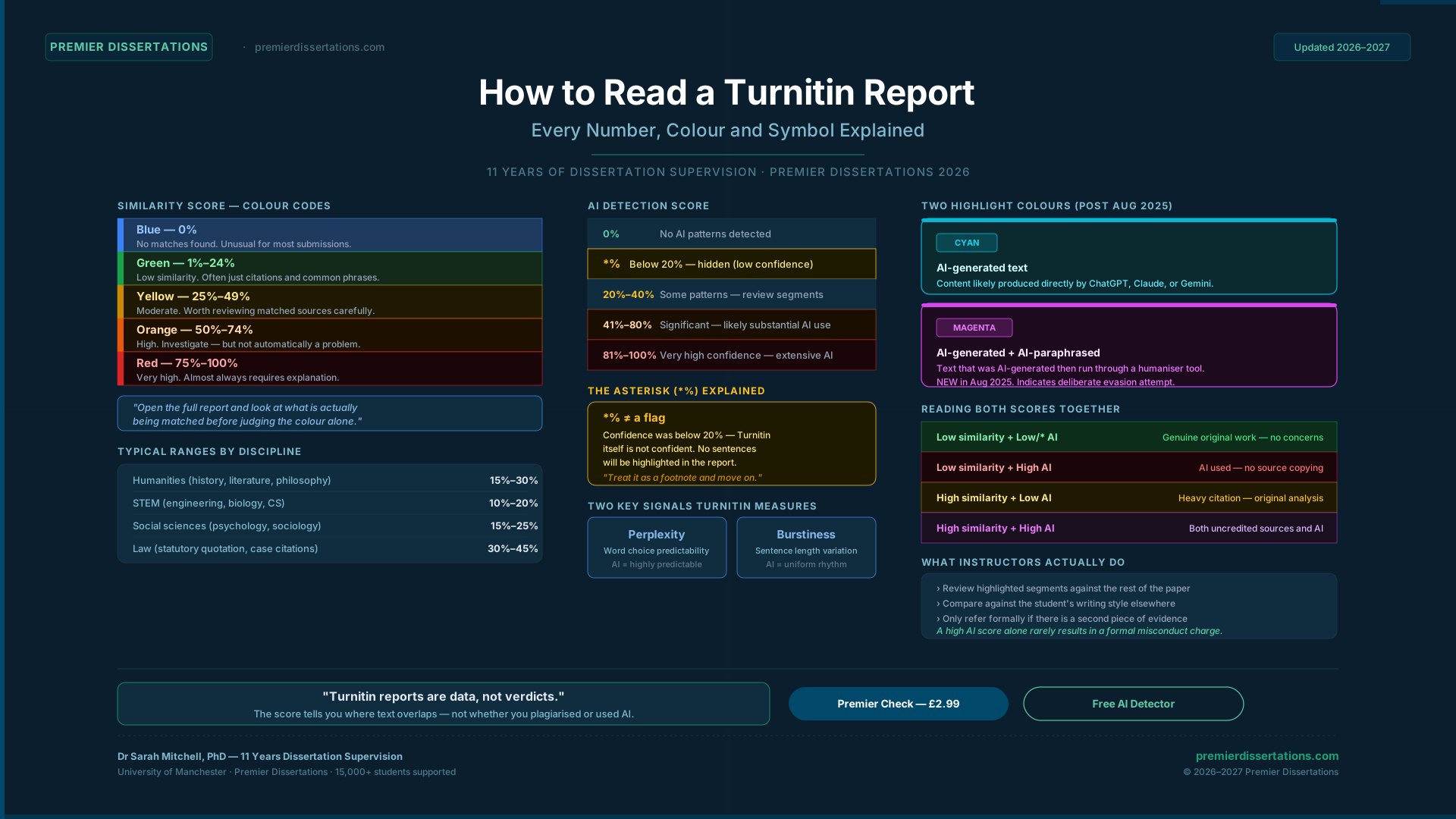
- Overall similarity percentage score
- Highlighted sections showing matched sources
- Clickable links to original documents or websites
- Insights into potential false positives and proper citations
These reports, much like those produced by Turnitin-style plagiarism checkers, help you understand exactly what needs review before submission.
Benefits of Using a Plagiarism Checker
- Promotes academic honesty and originality
- Encourages ethical writing practices and responsible research
- Safeguards against accidental content duplication
- Offers quick and easy-to-understand plagiarism insights
Want to see it in action? Try our Free Plagiarism Checker or explore the capabilities of our AI Plagiarism Detection Tool.
Limitations to Be Aware Of
- Paraphrased content might escape detection without deep semantic analysis
- Frequently used academic phrases can sometimes trigger false matches
- Limited access to certain publications may impact detection accuracy
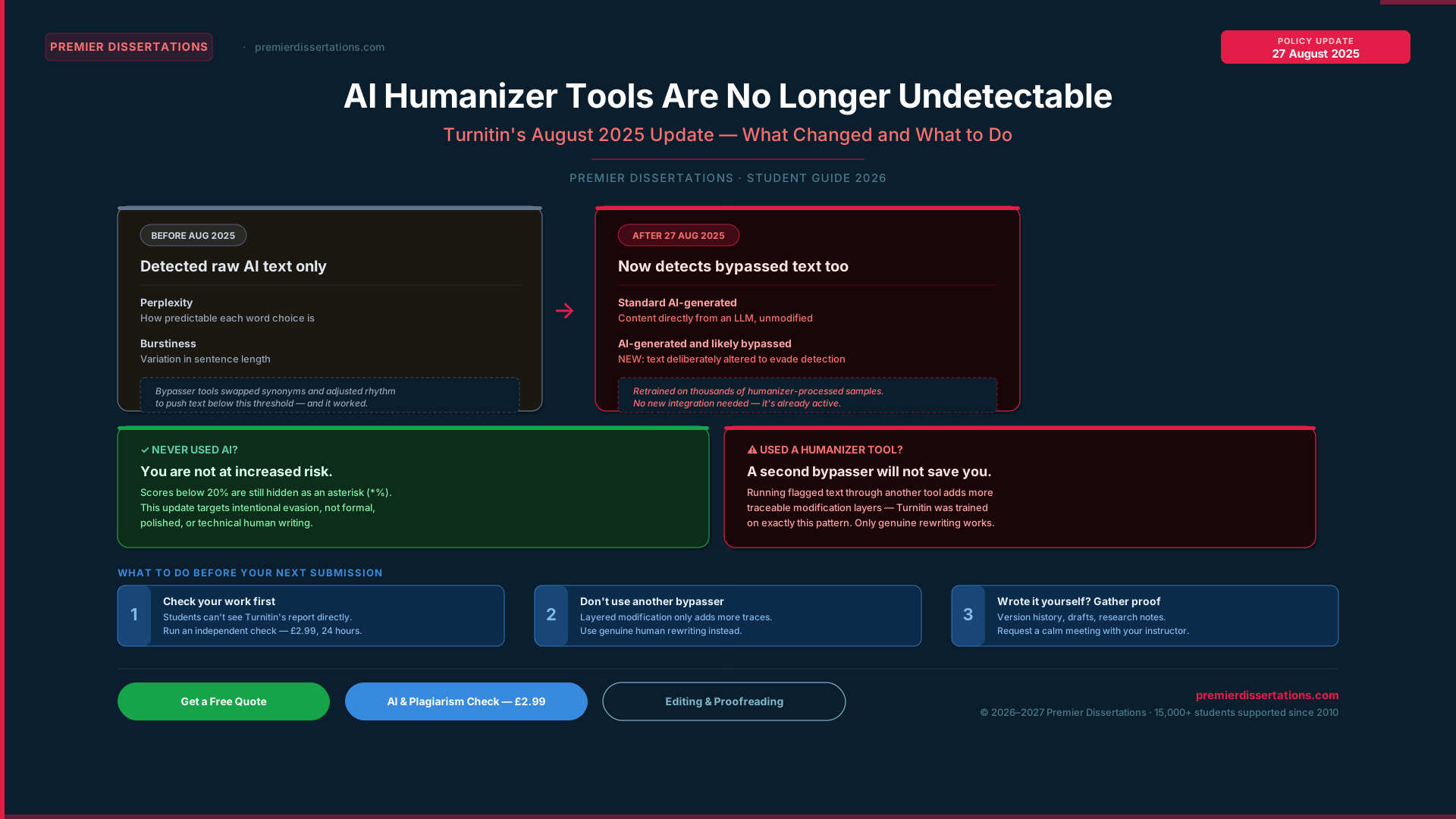
- Deliberate text manipulation may occasionally slip past scanning tools
Understanding these boundaries allows you to better interpret plagiarism reports and act accordingly.
How to Use a Plagiarism Checker Effectively
- Carefully examine the matched text and review the original source links.
- Use accurate referencing by following our citation guide to avoid plagiarism.
- Rewrite or paraphrase the highlighted content using your original voice.
- Continue scanning your document until you reach an acceptable similarity percentage.

FAIR USE: Real-World Comparison
Think of plagiarism checkers as detective tools. They alert you to possible duplication, but it’s up to you to take action, add citation, rewrite clearly, or confirm intent.
Frequently Asked Questions (FAQS)
Conclusion
Plagiarism checkers combine database matching, advanced algorithms, and AI to help you maintain originality. While not perfect, they are crucial for the academic and professional writing process. Use them smartly—and pair them with good citation practices and our expert tools.
Get 3+ Free Dissertation Topics within 24 hours?