

How to Cite Sources to Avoid Plagiarism
September 9, 2022
What does a Report Writer do?
September 14, 2022
Last Updated: September 2026 · Academic Year 2026-2027
Understanding the difference between paraphrasing and plagiarism is essential to maintain academic integrity. While paraphrasing involves rephrasing ideas using your own words and proper citation, plagiarism occurs when someone presents another's work as their own, intentionally or not.
This guide explains both concepts, highlights how they differ, and provides practical tips and tools to help you write ethically and confidently.
Need help checking your work?
What Is Paraphrasing?
Paraphrasing means rewriting someone else's ideas using your own voice and sentence structure, while preserving the original meaning. It is a legitimate academic skill that demonstrates understanding, but must always include citation.
How to Paraphrase Correctly:
- Read the source thoroughly.
- Write key points in your own words.
- Avoid copying sentence structure.
- Rewrite without looking at the original.
- Add a proper in-text citation (APA, MLA, Harvard, etc.).
What Is Plagiarism?
Plagiarism is the use of someone else's words, ideas, or structure without credit. This includes:
- Copy-pasting text
- Rewording with minor changes
- Using others' ideas without citation
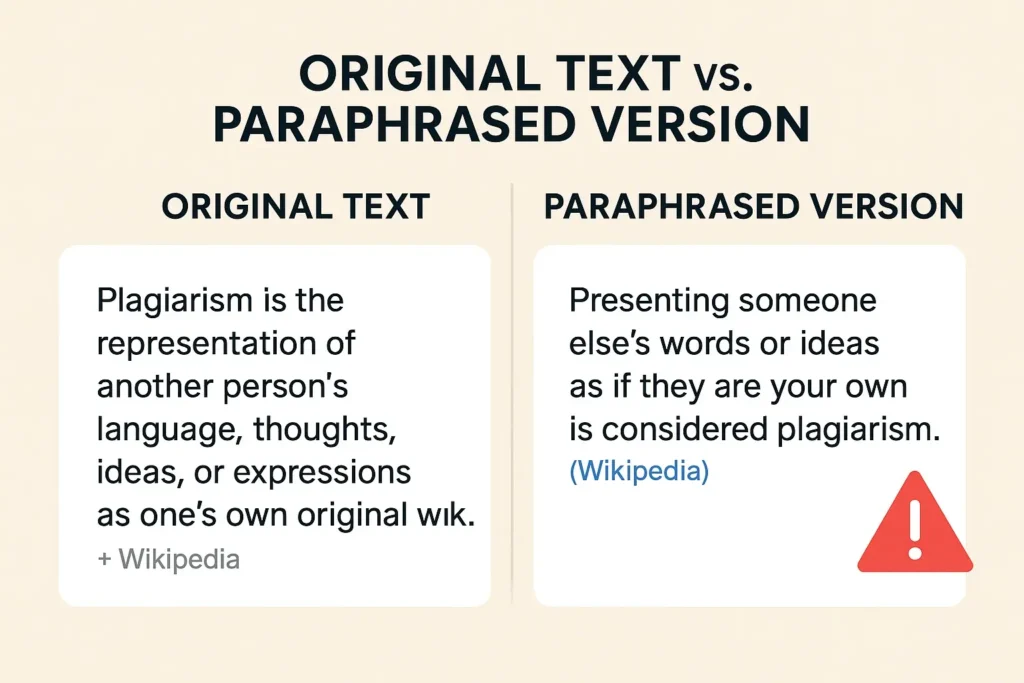
According to Wikipedia, "Plagiarism is the representation of another person's language, thoughts, ideas, or expressions as one's own original work." Plagiarism is a serious academic offense and can result in failing grades, suspension, or even expulsion.
Paraphrasing vs Plagiarism: Key Differences
| Attribute | Paraphrasing | Plagiarism |
|---|---|---|
| Purpose | Rephrase for clarity and understanding | Pass off someone else's work as your own |
| Language Use | Completely rewritten in new structure | Copied or slightly modified |
| Citation | Always includes a proper reference | Often omitted or improperly done |
| Academic View | Ethical and encouraged | Dishonest and penalized |
When Does Paraphrasing Become Plagiarism?
Even paraphrasing can cross the line when:
- You keep the original sentence structure
- You only change a few words
- You don't include a citation. This form is called mosaic plagiarism, and tools like Turnitin can easily detect it.
Is AI-Paraphrased Text Considered Plagiarism?
Most students today don't paraphrase by hand, they run the source text through a tool like QuillBot or a generic AI paraphraser. This doesn't solve the plagiarism problem. It often creates a separate one.
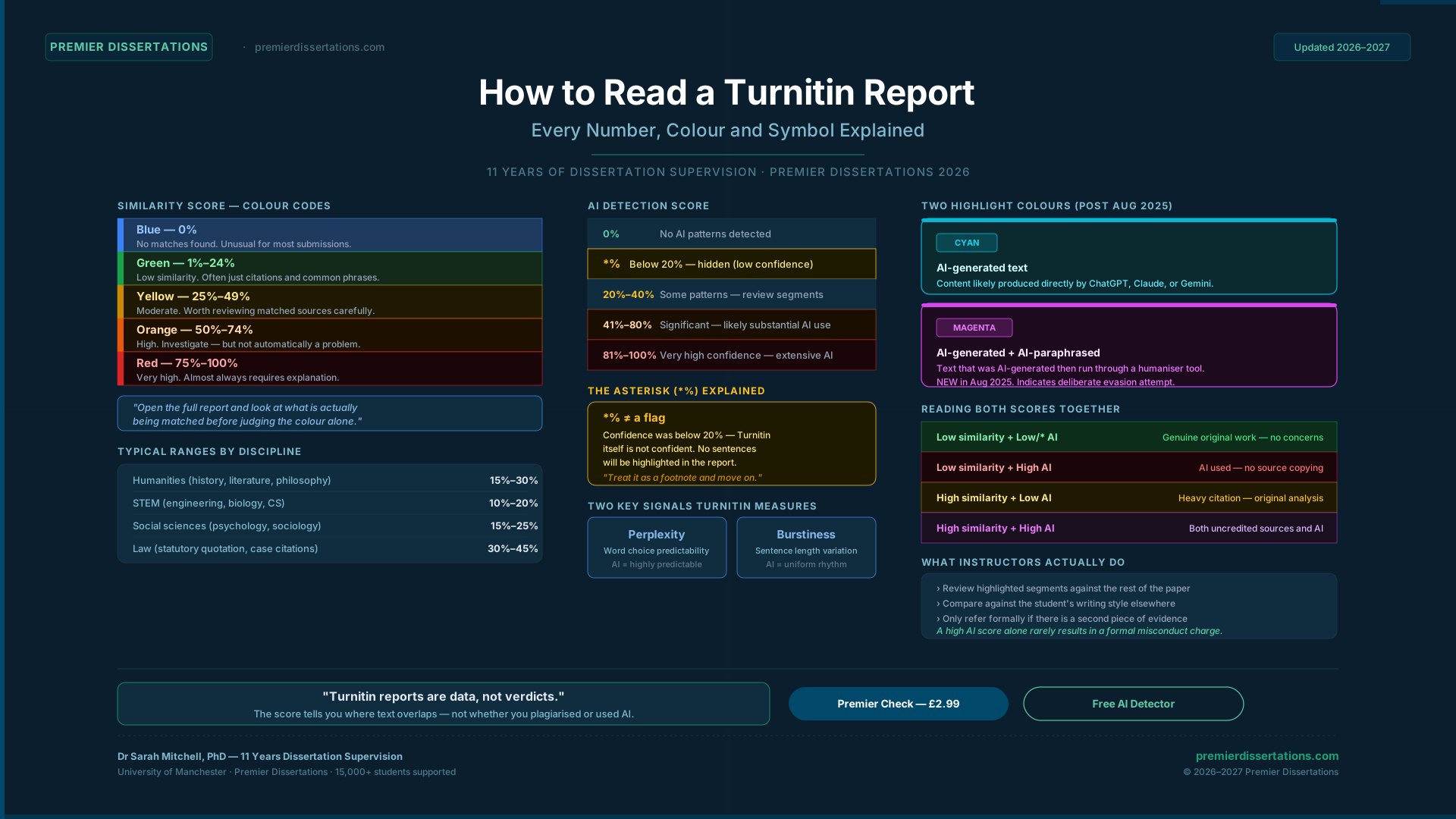
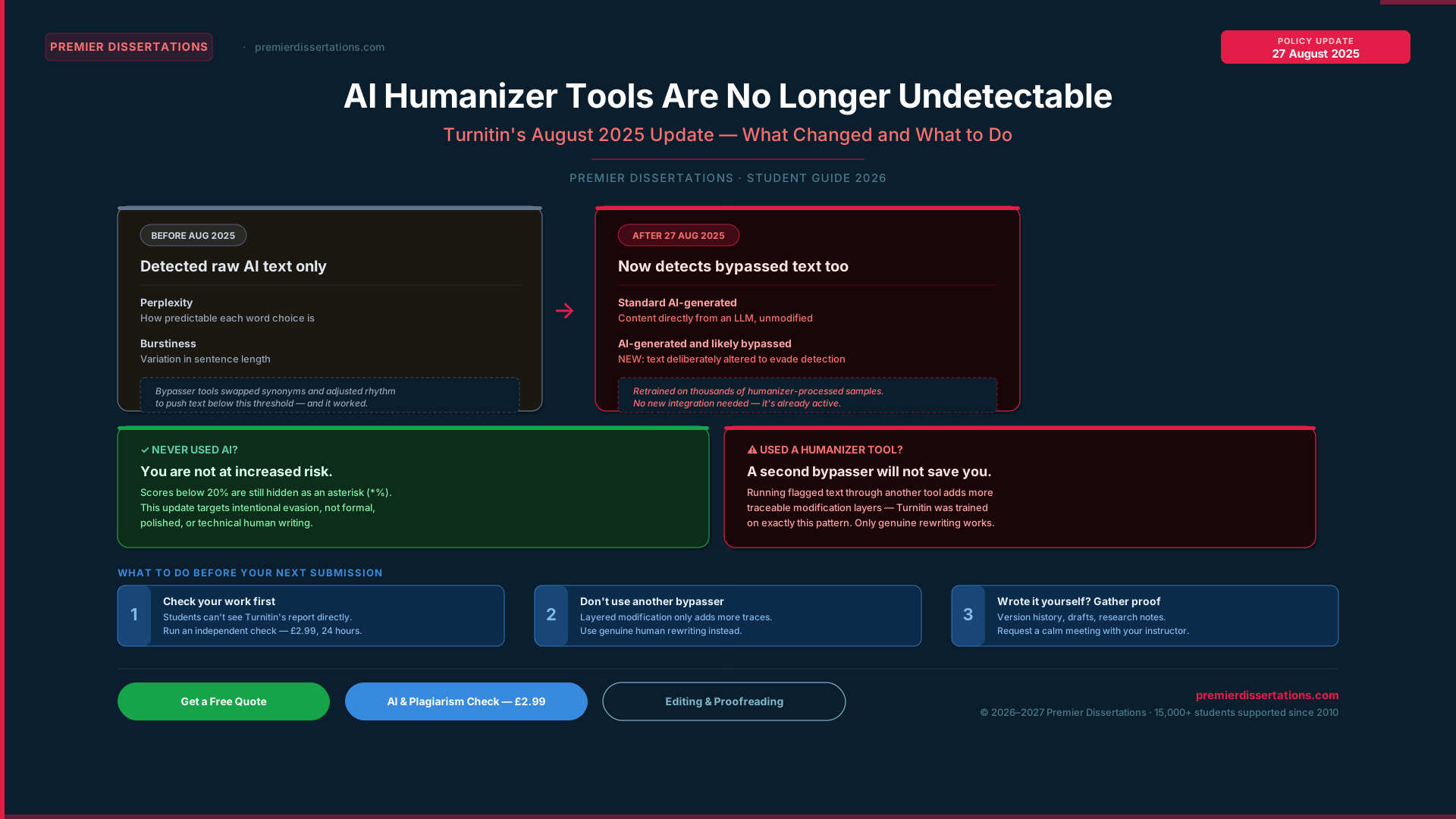
Since Turnitin's August 2025 update, AI-generated text that has then been run through a paraphrasing or "humanising" tool is flagged as its own distinct category, separate from plain AI text or a simple similarity match. Turnitin treats this pattern as a sign that someone actively tried to disguise AI use, which instructors and integrity panels take seriously.
There is no tool shortcut here. Word-swapping software changes vocabulary but leaves the underlying sentence structure and logic intact, which is exactly what modern detection looks for. The only reliable way to paraphrase properly is to understand the source and write it yourself, in your own words and your own reasoning, not run it through software and hope.
If your writing already reads as AI-influenced and you're not confident rewriting it yourself, a UK academic editor can rewrite it properly by hand, the only approach that consistently avoids this flag. You can also run a quick check first with our Similarity and AI Checker to see exactly what's flagged before you submit.
Need urgent help before a deadline? Discuss your specific situation with our team on WhatsApp, and we'll tell you honestly what you need before you spend anything.
How to Paraphrase Without Plagiarizing
Follow this checklist before submitting your academic work:
- Understand the original idea clearly
- Take notes and close the source
- Rewrite using a completely different structure
- Add citation as soon as you paraphrase
- Use tools like our plagiarism checker for a final scan
Pro Tip: Don't just swap synonyms, express the idea in your own voice.
Tools to Stay 100% Original
Use these trusted tools to ensure your work is plagiarism-free and academically sound:
- Free Plagiarism Checker - Detects copied or close-matched content
- AI Content Detector - Flags AI-generated content
- Manual Review by UK Experts - Select "Human Review" during submission for detailed editor feedback
These tools help protect your work before it's checked by systems like Turnitin.
Frequently Asked Questions
Discover More
Reviewed by Katherine Alexander, PhD, UK Academic Editor at Premier Dissertations · Updated September 2026 · Trusted by 15,000+ UK and international students/researchers